• Alliance for Deep Tech Education towards Decarbonized Cities

    DEEP CARBON SHIFT aims to transform HE and VET education by integrating deep tech, green and circular economy, and entrepreneurial skills into transdisciplinary curricula that respond to labour market needs and support inclusive, climate-neutral urban transformation across Europe.

  • ObjectiveS

    01 – Strengthen Transdisciplinary Education for Urban Decarbonisation
    Foster collaboration across architecture, urbanism, mobility, green & circular economy, inclusivity, and IoT by breaking traditional disciplinary silos in HE and VET curricula.

    02 – Integrate Deep Tech Skills into HE and VET Curricula
    Embed advanced digital and technological competences (e.g. AI, IoT, data analytics, digital twins, sensing technologies) into education programmes addressing urban decarbonisation challenges.

    03 – Align Education with Labour Market and Societal Needs
    Co-create curricula with SMEs, public authorities, and research organisations to ensure relevance to real-world challenges and emerging job profiles in decarbonised cities.

    04 – Promote Green, Digital, Resilience, and Entrepreneurial Skills
    Equip learners with transversal competences that support innovation, adaptability, and entrepreneurship in the context of the green and digital transitions.

    05 – Support Inclusive and Human-Centred Urban Transformation
    Ensure inclusivity and well-being by integrating social sciences, perception, and accessibility perspectives, including approaches tailored to vulnerable groups.

    06 – Foster Innovation, Replicability, and Long-Term Impact
    Establish mechanisms (incubation, acceleration, business exchange, and observatory) that enable scalability, replication, and sustainability of educational models beyond the project lifetime.

  • LIVEABLE CITIES

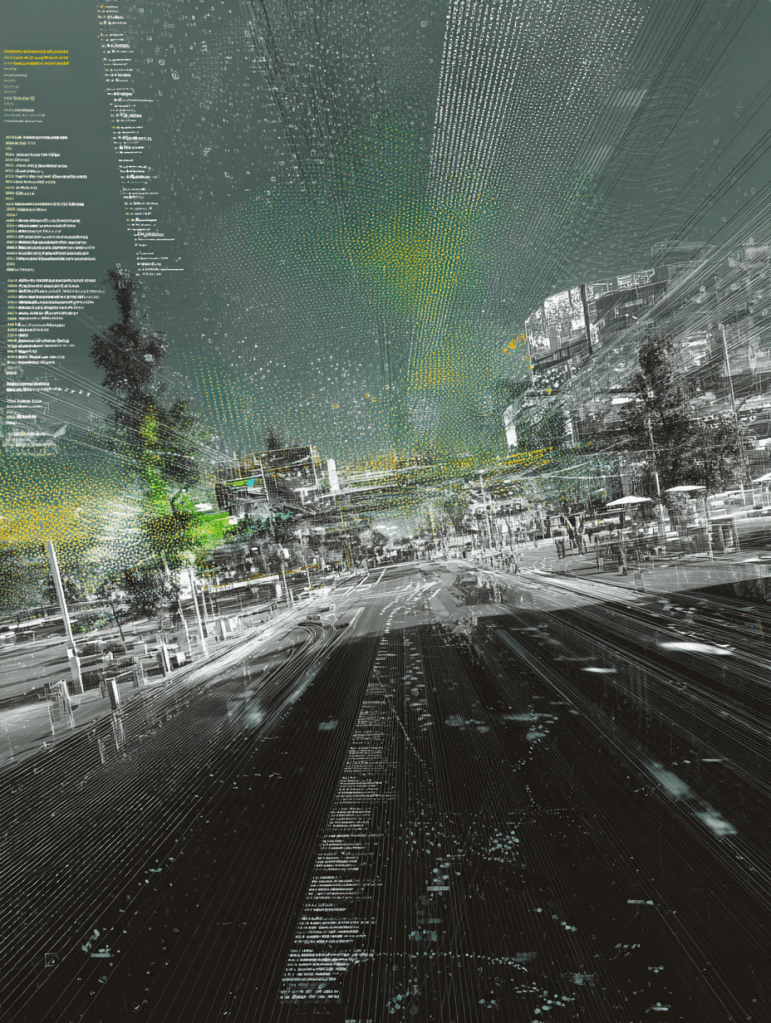
    Liveable cities are urban environments that prioritise human well-being, environmental quality, and social inclusion while responding to the challenges of climate change and rapid urban transformation. Beyond infrastructure and efficiency, liveability encompasses access to healthy public spaces, sustainable mobility, affordable housing, and equitable services, ensuring that cities support quality of life for diverse communities and future generations

    Within DEEP CARBON SHIFT, liveable cities are approached as human-centred and data-informed systems. Deep tech tools, including digital twins, sensing technologies, and urban simulations, are used to understand how environmental performance, mobility patterns, and social dynamics interact at city scale. At the same time, education and skills development empower learners and professionals to design solutions that balance technological innovation with inclusivity, accessibility, and social cohesion

  • THE CONSORTIUM

    The DEEP CARBON SHIFT consortium brings together eleven European partners committed to advancing climate-neutral and resilient cities through education and innovation. The alliance is coordinated by the Institute for Advanced Architecture of Catalonia (IAAC) and includes Technische Universiteit Eindhoven (TU/e), the National Technical University of Athens (NTUA), Astiki Etaireia Psichokoinonikon Meleton (PLOES), Vyšší odborná škola a Střední průmyslová škola elektrotechnická Plzeň (SPŠE Plzeň), Wirtschaftskammer Österreich (WKO), SPINUNIT Lab Oy, MCRIT S.L., IES R&D, Impact Hub Barcelona (IHUB), and GUDA – Give U Design Art

    Together, these Higher Education institutions, VET providers, research organisations, SMEs, chambers of commerce, and innovation hubs combine expertise in architecture, mobility, digital technologies, green and circular economy, inclusivity, and entrepreneurship. Through this complementary structure, the consortium ensures that education, technology development, and labour market needs are closely aligned to support Europe’s transition towards zero-carbon, liveable cities.